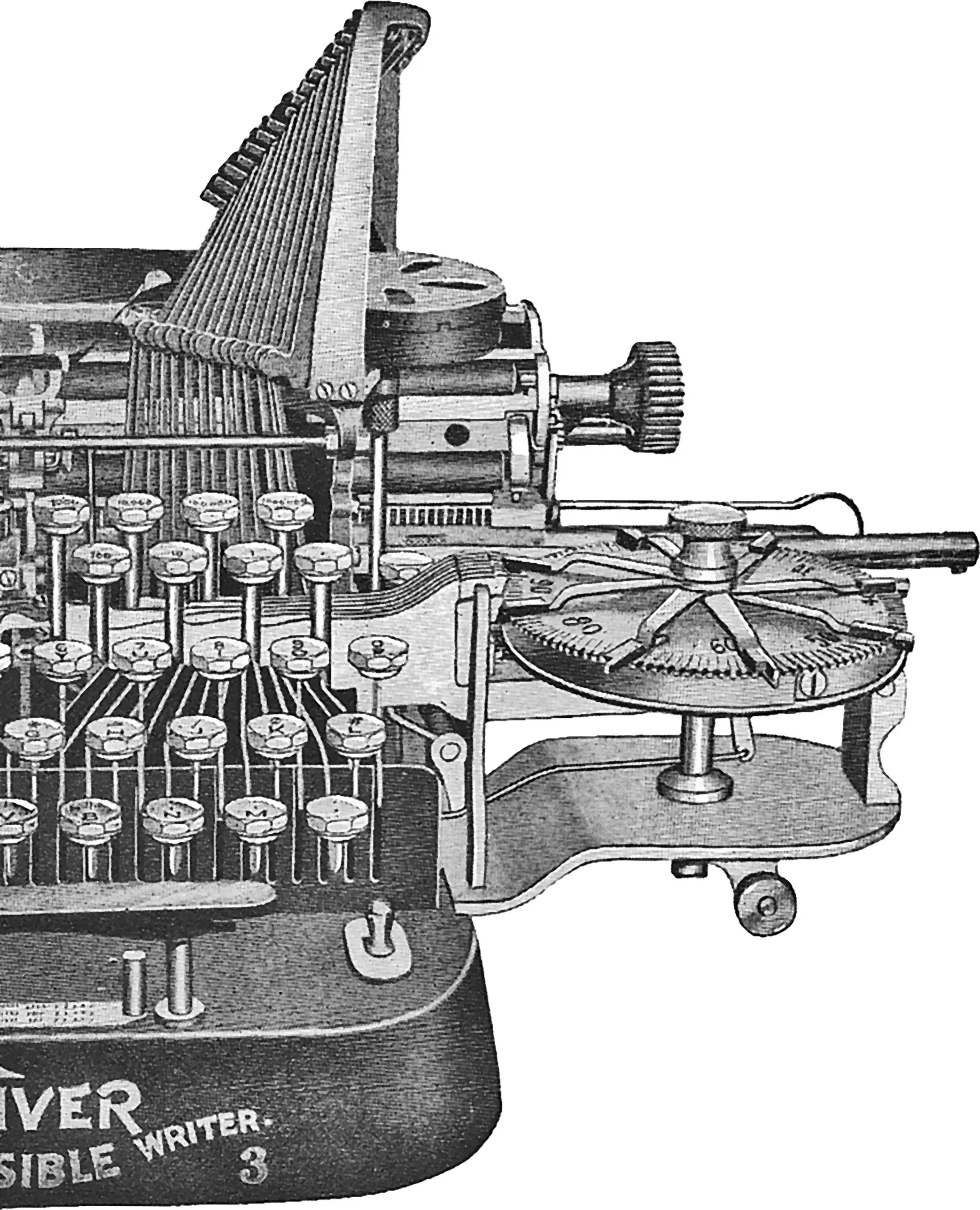
Not every Oliver has been discovered yet! This page is dedicated to Oliver models that have been lost over time or have not yet resurfaced.
Have you found one? Please let me know at contact@olivertypewriters.com.
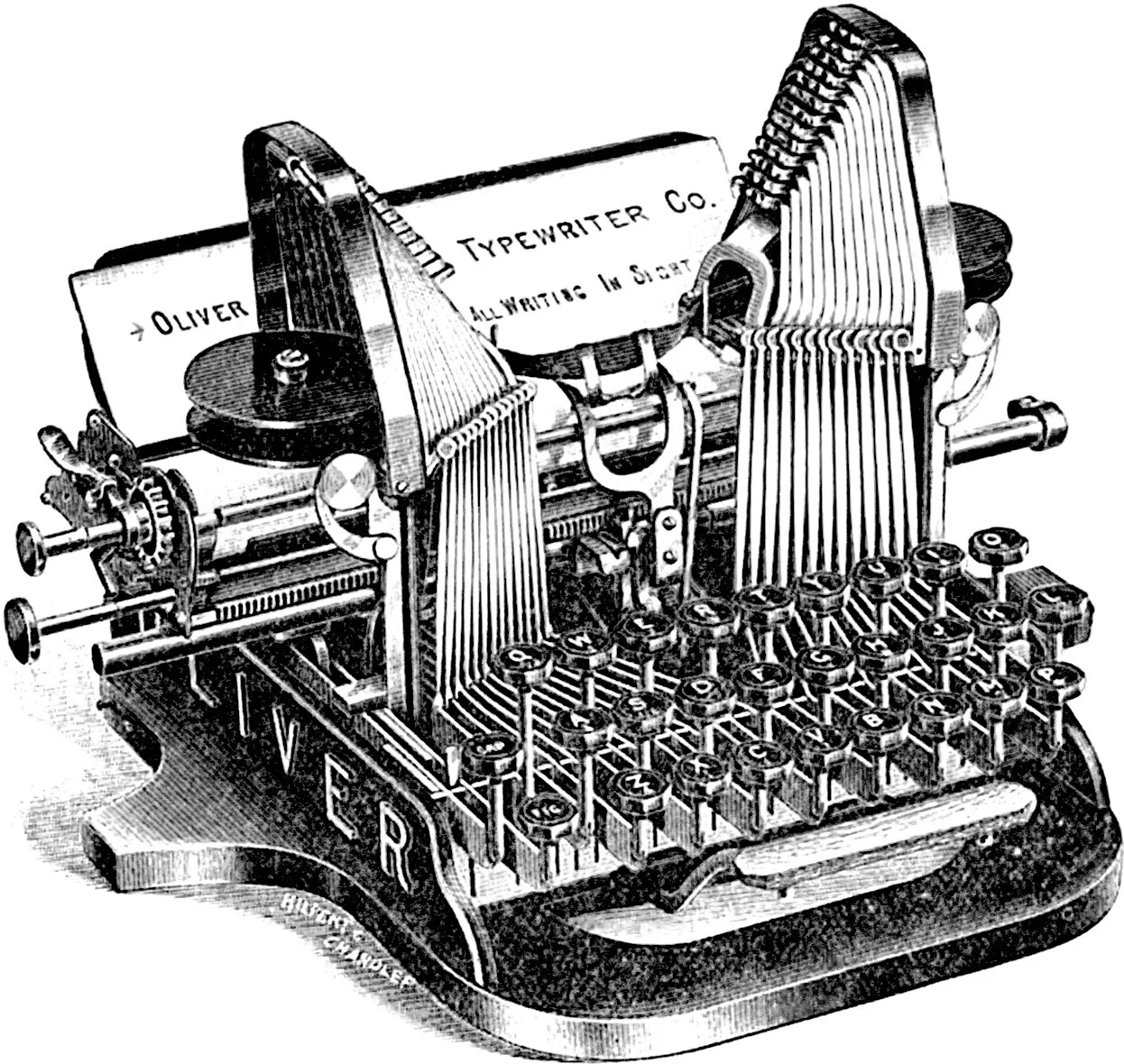
Oliver No. 1 illustration by Hilpert & Chandler
The Illustrated Phonographic World — September 1893
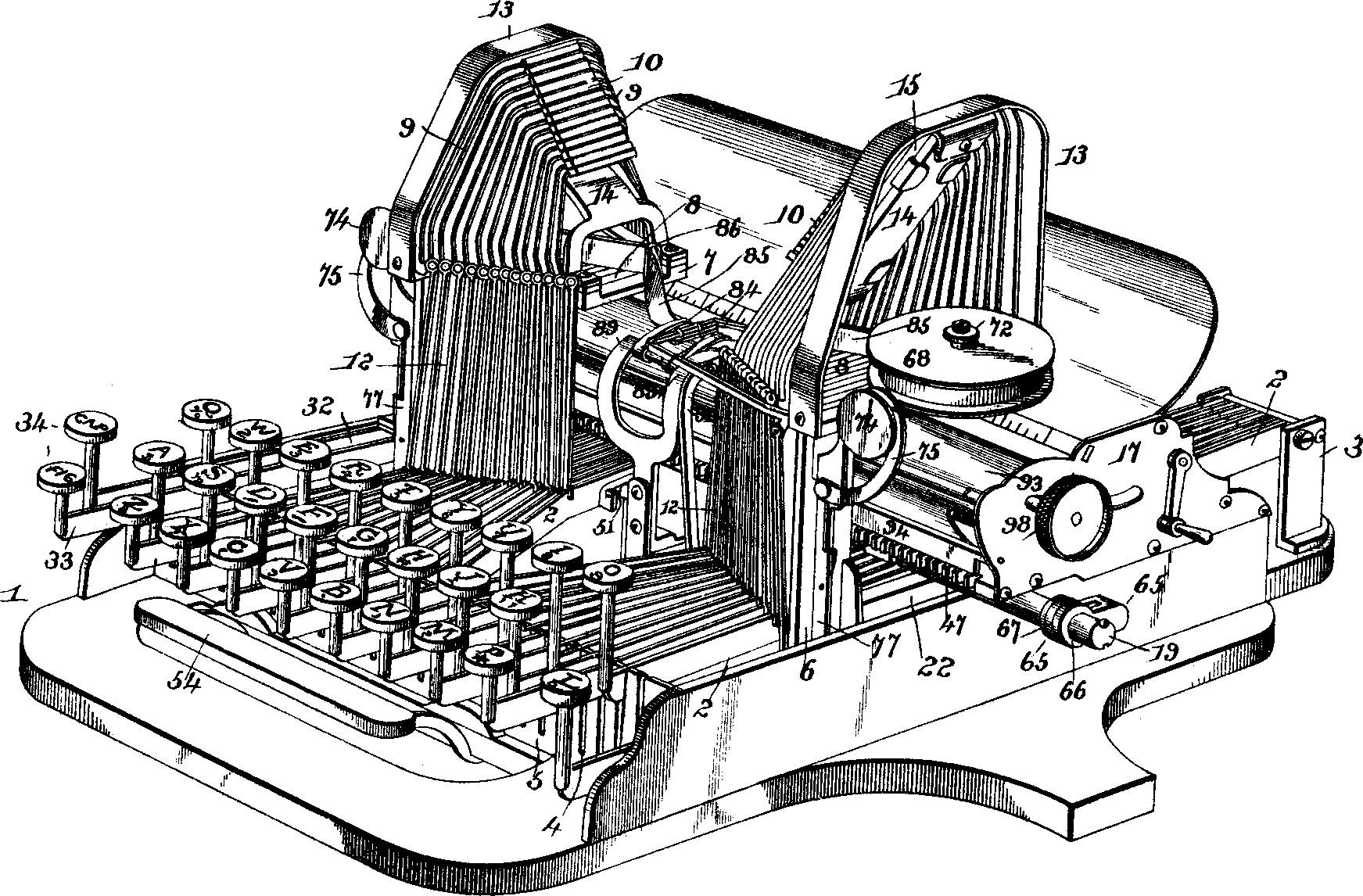
Oliver No. 1 illustration
U.S. Patent No. 542,275 — Fig. 1
While all known specimens of the Oliver No. 1 have 28 character keys, the earliest version appears to have been a 26-key model. This claim is supported by the first Oliver No. 1 advertisement in the September 1893 issue of The Illustrated Phonographic World, as well as U.S. Patent No. 542,275. The advertisement, written by Reverend Thomas Oliver, notes that his invention is capable of printing 80 characters. This confirms 26 keys typing three characters each (lowercase, uppercase, and figures). Additionally, the accompanying illustration by Hilpert & Chandler Wood Engravers of Chicago depicts an Oliver No. 1 with 26 character keys. While the ampersand and period keys are absent, the most intriguing difference is the P key placed to the right of the M key on the bottom row instead of the top row. This key arrangement can also be seen in the illustrations of U.S. Patent No. 542,275, filed September 19, 1893. Other notable features of these early depictions include cylindrical rods connecting the key tops to the horizontal key levers, and an early spur-gear ribbon advancing mechanism.
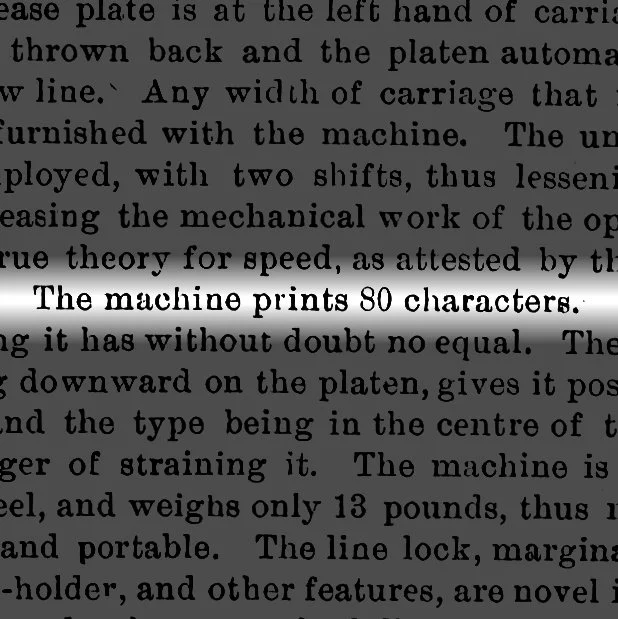
Close-up of The Illustrated Phonographic World Oliver advertisement. Click here to see the full advertisement.
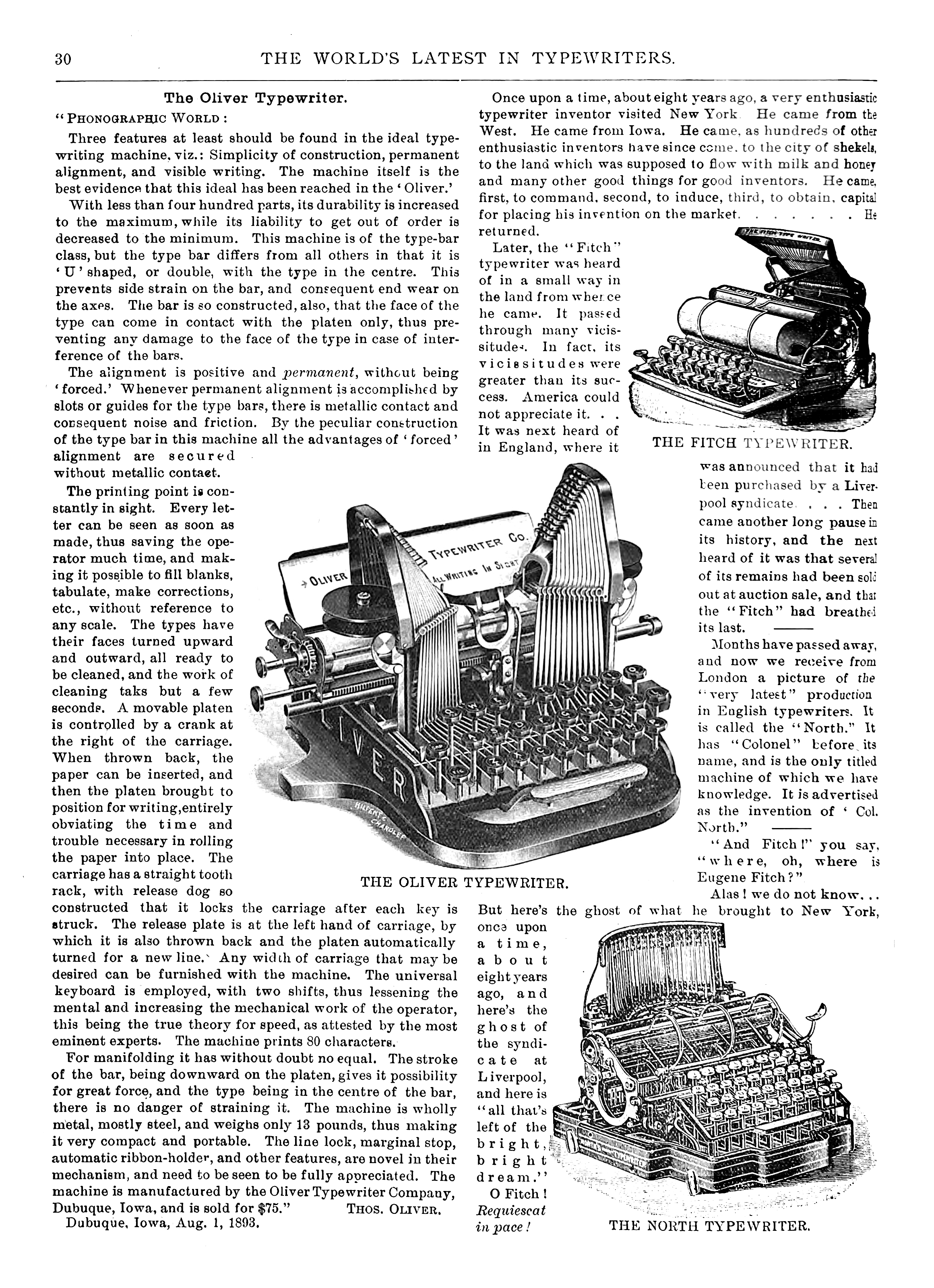

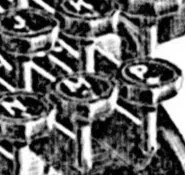
Close-up of the P key next to the M key on both illustrations.

Oliver No. 2 Way-billing Typewriter/Billing Machine
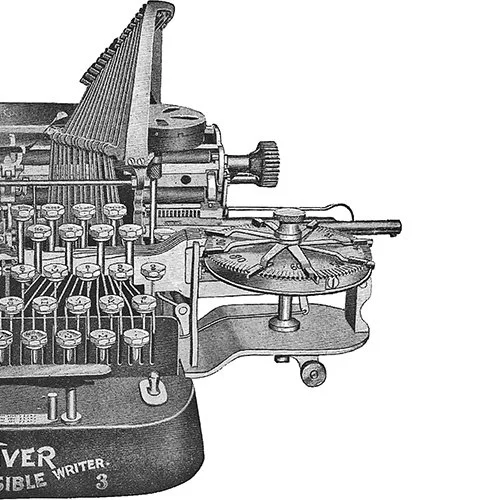
Oliver No. 3 with tabulator
An Oliver No. 2 with an optional tabulator attachment and an all-capital billing keyboard with special shipping characters was originally offered for sale in a standalone brochure as the Oliver Way-billing Typewriter and later in Oliver No. 2 brochures as the Oliver Billing Machine. The combination of tabulator and billing keyboard/type was specifically designed for making way-bills, expense bills, freight bills, invoices, statements, and all forms of tabulated work comprised of columns of figures. The tabulator was later advertised in Oliver No. 3 brochures as a standalone attachment.
The Louisiana Purchase Exposition, also known as the 1904 St. Louis World’s Fair, commemorated the centennial of the Louisiana Purchase. Showcasing global cultures, technological innovations, and American progress, the exposition featured numerous typewriter companies, many of which displayed their most popular models, specially decorated for the occasion. The Oliver Typewriter Company gave away wine-testing kits at their exhibit, but more notably, several gold-plated Oliver No. 3 machines were displayed. None of these gold-plated machines are known to exist today.
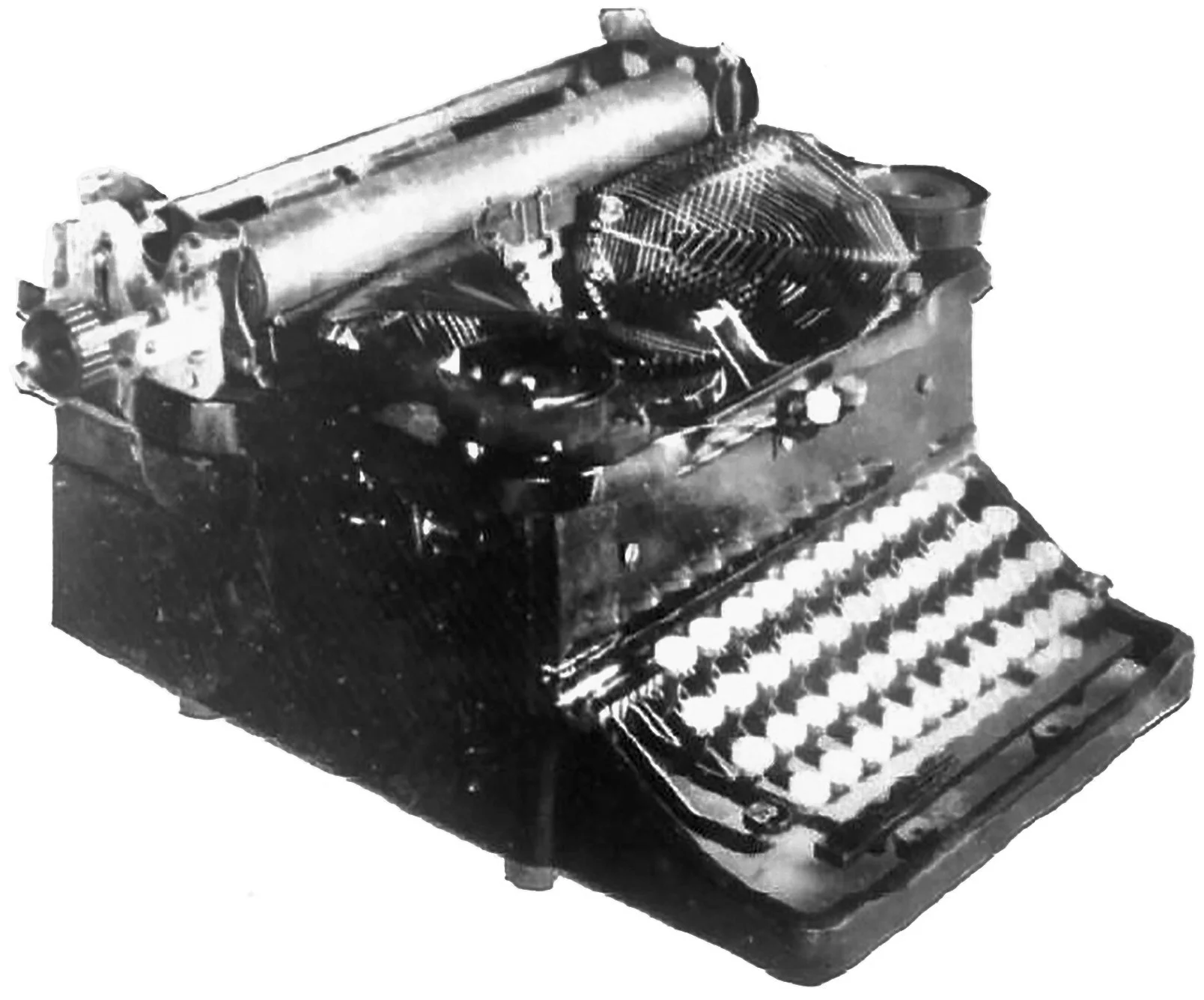
Oliver Four-bank prototype designed by Theron Knapp (1922).
In 1922, Theron Lorenzo Knapp, chief design engineer of The Oliver Typewriter Company, presented to the board of directors his new four-bank typewriter design that resembled more conventional typewriters on the market at the time. Knapp’s machine retained the iconic U-shaped Oliver typebars, but mounted to strike the front of the platen as opposed to the top. Despite its novel design, this prototype never reached production, and was likely scrapped or absorbed into British Oliver, the company formed after the U.S. operation ceased.